The Quiet Minute: A UK Guide to Repeatable Sublingual CBD Technique in 2026
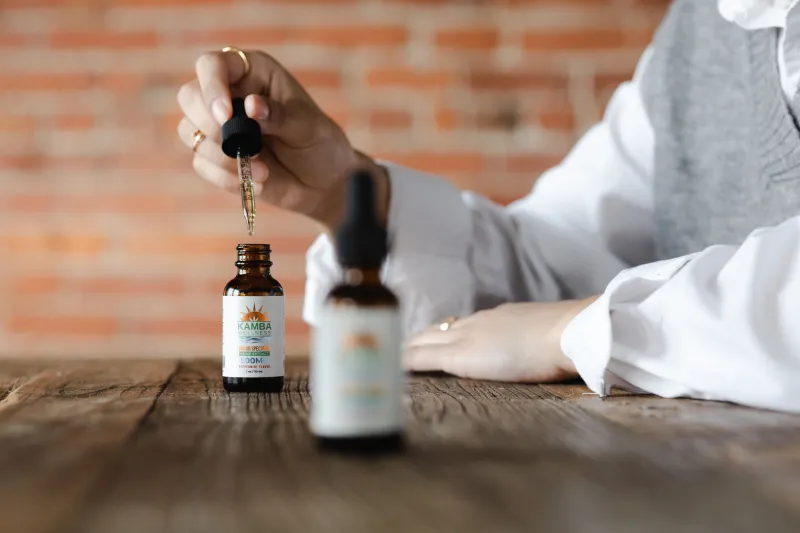
A UK shopper can now compare CBD oils by percentage, milligram count, carrier oil and batch certificate with reasonable ease. What remains less discussed is the part of the routine that happens after the dropper leaves the bottle. Sublingual technique — where the oil is placed, how long it is held and what happens around it — is a practical variable that deserves calm attention rather than marketing mystique.
This guide treats hold time as one controllable factor among several. It does not promise a correct number of seconds, and it does not present technique as a substitute for buying from a transparent supplier. Instead, it sets out a straightforward approach for UK readers who want their routine to be more consistent from one day to the next.
Why technique sits beside product choice
CBD oil labels typically state the strength of the bottle and a suggested serving. They rarely explain how the oil should be taken. In practice, two people using the same bottle can produce very different experiences simply because one holds the oil under the tongue for a minute while the other swallows almost immediately.
The sublingual route is popular because it keeps the oil in contact with the floor of the mouth rather than sending it straight to the stomach. Manufacturers often recommend holding the oil there for a period before swallowing. The exact duration is not a regulated standard, and it is not a magic threshold. A repeatable technique is more useful than an ambitious one that is abandoned after three days.
Placing the oil: simple, but not careless
A common approach is to place the drops under the tongue, slightly to one side, and let them sit without actively swilling the oil around. Alternating sides from day to day can help if one side feels more comfortable. The aim is to avoid pooling the oil in a way that triggers an early swallow.
There is no need to place the dropper far back in the mouth. Doing so is more likely to stimulate the swallowing reflex and less likely to keep the oil where intended. Keep the dropper clean, avoid letting it touch the tongue or gums, and follow the supplier’s storage and hygiene instructions. These small habits matter as much as the hold time itself.
The hold-time question: choose a range you can repeat
UK CBD guidance often mentions holding the oil for around 60 to 90 seconds, with some suppliers suggesting up to two minutes. These figures are best read as a practical range rather than a rule. If 30 seconds is realistic and comfortable, that is a more useful starting point than a two-minute target that is rarely achieved.
A useful method is to pick a modest duration, use a phone timer for the first week, and note what actually happens. Once the routine feels settled, the timer can be used less often. The objective is not to hold the oil for as long as possible; it is to reduce the number of variables between one serving and the next.
What disrupts a hold: drinks, toothpaste and a dry mouth
Everyday habits can quietly alter technique. A hot drink taken immediately before or after a serving may encourage swallowing or alter the feel of the oil in the mouth. Brushing teeth is another common interference point: mint flavours, rinsing and the general activity of brushing can make a sublingual hold feel different or shorter than usual.
A dry mouth is also worth noticing. Some people find that a sip of water before taking the oil makes the experience more comfortable, while others prefer to avoid liquids altogether around the serving. There is no universal answer. The point is to notice what happens and keep it reasonably consistent.
Coffee, tea and breakfast are frequent companions to a morning CBD routine. They do not need to be removed, but their timing may be worth recording. If a serving is taken at the same time as a hot drink every morning, the diary may reveal that the hold is consistently shorter on those days.
If you swallow early
Swallowing before the intended hold time is not a failure, and it is not a reason to take another serving. It is simply a data point. Note it in the diary, consider whether the oil was placed too far back, whether the mouth was dry, or whether a drink prompted the swallow, and adjust the next attempt gently.
Doubling a serving to compensate introduces a new variable and makes the routine harder to interpret. The calmer approach is to record the early swallow, return to the usual technique at the next scheduled serving, and look for a pattern over several days.
A two-week technique diary for UK readers
A simple diary does not need to be elaborate. A notebook or a spreadsheet with the following columns is sufficient:
- Date and time of serving
- Product name and batch number
- Number of drops or millilitres used
- Side of the mouth used
- Intended hold time
- Approximate hold time achieved
- What interfered, if anything — drink, brushing teeth, dry mouth, conversation
- A short note on comfort or anything unusual
After 14 days, review the entries rather than judging any single day. Look for repeated interruptions, a hold time that is consistently shorter than intended, or a time of day when the routine feels more manageable. The diary is not a clinical record and should not be treated as one. It is a practical tool for making technique more predictable.
Building a routine that survives ordinary life
A repeatable routine usually has a fixed time, a fixed place and a small number of steps. Keeping the bottle in the same cupboard, using the same dropper technique and setting a timer for the first week can all help. So can choosing a hold time that fits around work, school runs and morning commitments rather than one that requires an unusually quiet household.
Consistency should not be confused with rigidity. If a serving is missed or a hold is cut short, the sensible response is to return to the usual pattern at the next opportunity. Chasing a perfect technique can make the routine feel more complicated than the product itself.
Compliance, expectations and a measured view
CBD oil is not a medicine, and no technique should be presented as a treatment for a health condition. UK readers should buy from suppliers who publish batch-specific certificates of analysis and clear labelling, and anyone taking medication or managing a health condition should seek advice from a qualified healthcare professional before making changes.
The quiet minute under the tongue is not a secret method. It is a small, observable part of a wider routine. By choosing a comfortable hold time, noting the things that disrupt it and reviewing a fortnight of entries, UK readers can make sublingual CBD use more consistent without turning it into a performance. That is a modest aim, but a practical one.