The Cautious First Bottle: Sizing a CBD Trial Without Overcommitting in the UK
Photo: James St. John, CC BY 2.0, via Wikimedia Commons
The first bottle is a decision about risk, not just strength
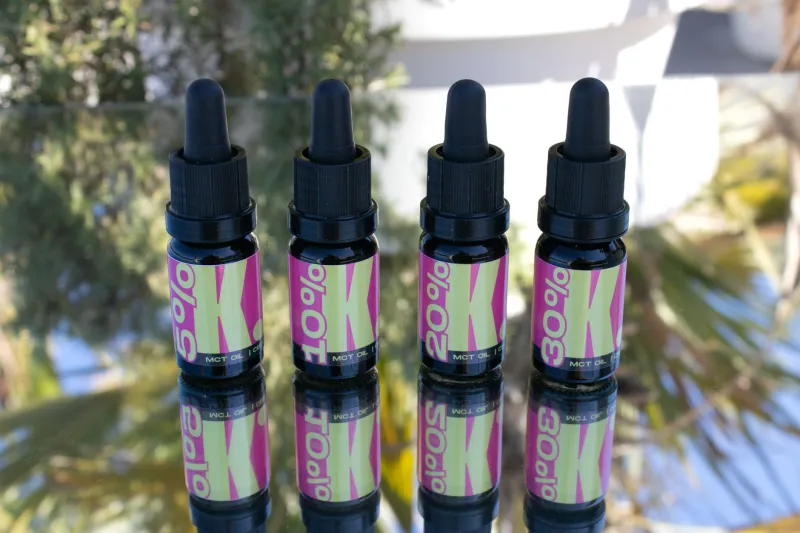
For a UK shopper new to cannabidiol, the shelf can be confusing. A 10ml bottle may sit beside a 30ml bottle of similar strength, and the larger format often looks like better value at first glance. The smaller bottle, meanwhile, may appear expensive for what it contains. Neither impression is reliable on its own.
A trial size is not simply a miniature version of a committed purchase. It is a way of testing tolerance, routine and preference before spending more. A larger bottle can be sensible for an experienced user with a settled routine, but it carries a different set of risks: a longer period before the oil is used up, more money tied up in a product that may not suit, and a greater chance that the bottle is still half full when its post-opening shelf life comes into view.
The right choice depends on how much uncertainty the buyer is carrying. That uncertainty is highest for a first-time buyer and lower for a cautious switcher who already knows how they respond to a given strength and oil base.
Why the smallest bottle is not automatically the safest buy
It is tempting to treat the smallest available format as the prudent default. In practice, very small bottles can be poor value per milligram, and they may not last long enough to establish a stable routine. If a 10ml bottle contains 500mg of CBD and a typical serving is 20mg, the bottle provides around 25 servings. At one serving a day, that is less than a month. At two servings a day, it is under a fortnight. A buyer who needs several weeks to titrate slowly may find the bottle empty before they have learned much.
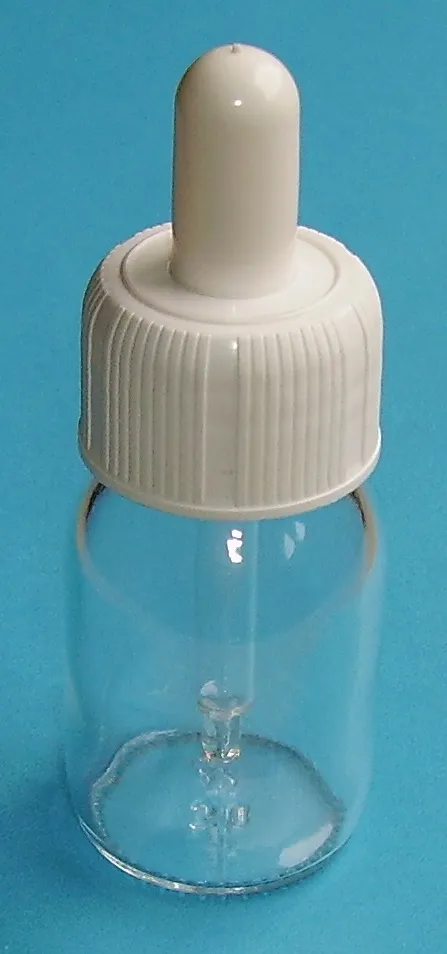
There is also a measurement issue. Small bottles with narrow necks and droppers can make accurate dosing harder, particularly when the label expresses strength in percentages rather than milligrams. A bottle that is difficult to measure accurately is not a good trial format, however low its price.
The arithmetic that matters: cost per milligram
UK CBD labels often lead with bottle size and percentage. A 10ml bottle at 5% contains roughly 500mg of CBD; a 30ml bottle at 5% contains roughly 1,500mg. The percentage describes concentration, not total quantity. To compare formats fairly, divide the bottle price by the total milligrams stated on the label.
This calculation exposes the trade-off. A small bottle may cost £25 for 500mg, or 5p per milligram. A larger bottle may cost £60 for 1,500mg, or 4p per milligram. The larger bottle is cheaper per milligram, but only if the buyer uses enough of it. If half the larger bottle is discarded after opening, the effective cost per milligram rises sharply. The saving is conditional on consumption.
A useful rule for first-time buyers is to compare the cost of the trial bottle with the cost of the amount they realistically expect to use before the product’s post-opening period ends. That figure, rather than the headline price per bottle, is the honest comparison.
Titration, shelf life and the unused-oil problem
CBD oil is typically titrated slowly, starting with a low serving and increasing only after a period of consistent use. This is not a race, and the process can take weeks. A trial bottle should therefore contain enough oil to support that process without forcing the buyer to rush.
Shelf life matters here. Many CBD oils carry a best-before date for the unopened bottle and a shorter recommended period after opening. A large bottle bought in November may still be within its unopened date the following spring, but once opened it may need to be used within a few months. A buyer who uses a small amount each day may find that a 30ml bottle outlasts its post-opening window. The result is waste, which erodes the apparent saving.
Cautious switchers face a different calculation. They may already know their preferred strength and oil base, so a larger bottle can be justified. But if they are changing brand, strength or carrier oil, a smaller bottle still acts as a sensible bridge. The cost of a modest trial is often lower than the cost of a large bottle that is abandoned after a week.
A practical decision framework
For a first-time buyer, the following sequence is a reasonable starting point:
- Establish a realistic daily serving range. Read the label and choose a low starting point. Do not assume a high strength is necessary.
- Estimate how many days a bottle will last. Multiply the daily serving by the number of servings you expect to take. Compare that with the bottle’s total milligrams and its post-opening guidance.
- Check the cost per milligram for each format. Compare the trial bottle with the next size up, using the same strength and oil base where possible.
- Decide how much uncertainty remains. If you have never used CBD oil, or are switching brand, a smaller format is usually the more rational choice. If you have a settled routine and the same product is available, a larger format may be appropriate.
- Confirm the returns position before buying. A generous returns policy can make a larger bottle less risky, but only if the conditions are clear and the product is unopened or otherwise eligible.
What to check on the label and batch information
Before choosing a size, check that the label states the total CBD content in milligrams, not only a percentage. Look for the serving size and the number of servings per bottle. A clear label should make the arithmetic possible without guesswork.
Batch information is equally important. A reputable UK supplier should provide a certificate of analysis for the batch, showing cannabinoid content and confirming that THC is within the legal limit. The batch number on the bottle should match the certificate. For a first purchase, this is a more meaningful quality signal than a fashionable bottle size.
Finally, read the returns policy. Some retailers accept returns only on unopened products; others may exclude opened bottles for hygiene reasons. If you are buying a trial size specifically to test tolerance, understand the position before checkout. A small bottle is not a low-risk purchase if it cannot be returned and does not suit.
The sensible conclusion
There is no universally correct starter size. A 10ml bottle can be the right choice for a first-time buyer who values a low commitment and accepts a higher cost per milligram. A 30ml bottle can be the right choice for a user with a settled routine who will use it consistently within its post-opening period. The mistake is to let the headline price per bottle decide the question.
A cautious first purchase is one that matches the size of the bottle to the size of the uncertainty. For most new UK buyers, that means starting smaller, checking the milligram arithmetic, confirming the batch certificate and knowing the returns position before committing to a larger format.