From Unboxing to Routine: A Four-Week Induction for First-Time CBD Oil Buyers in the UK

Photo: Jules Verne Times Two, CC BY-SA 4.0, via Wikimedia Commons
Buying a first bottle of CBD oil is the straightforward part. Starting it sensibly is where many UK shoppers lose their footing: the label is read once, the bottle is opened, and within a fortnight the routine has either been abandoned or escalated without a record of what changed. This guide sets out a four-week induction rather than a thirty-day challenge. The aim is not to reach a particular dose, but to establish a repeatable routine, keep a short record, and make an informed decision at the end of the month about whether to continue, adjust or stop.
Before Day One: Verify the Bottle
The first task happens before any oil is taken. Treat the packaging as a document to be checked, not a marketing surface to be skimmed.
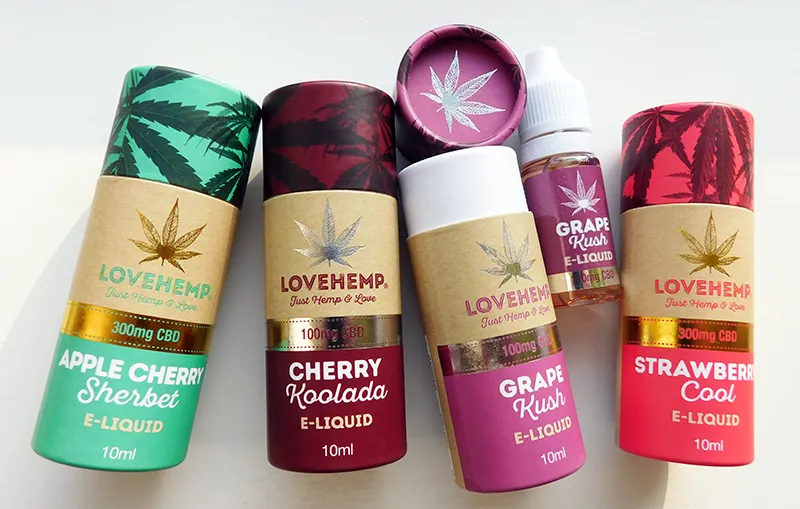
- CBD content: Confirm whether the stated figure is per bottle, per millilitre or per drop. A bottle labelled “10%” is not directly comparable with one labelled “1000mg” unless the volume and drop count are known. Note the carrier oil as well, since hemp seed oil and MCT oil are not interchangeable in cost terms.
- Batch and testing: Look for a batch number and a link or QR code to a laboratory certificate of analysis. A credible UK supplier should be able to match the batch on the bottle to the results published online.
- Regulatory status: In the UK, CBD products sold as food supplements should sit on the Food Standards Agency’s novel foods register. Check that the product or brand appears there, and read any wording about THC content rather than assuming it is absent.
- Dates and storage: Record the batch number and expiry date in your log before opening. Store the bottle as directed, usually away from heat and direct light.
If any of these details are missing or inconsistent, the sensible course is to pause and query the retailer before starting. A first bottle is a poor place to discover that verification was never possible.
Choose a Daily Anchor
Consistency matters more than precision in the first month. Choose one everyday moment to take the oil — after breakfast, for example, or before brushing your teeth in the evening — and attach the routine to that moment rather than to a mood or a symptom. An anchor should be dull, repeatable and unaffected by weekends.
Avoid launching several changes at once. Starting CBD oil in the same week as a new supplement, a new sleep schedule or a new exercise plan makes the log far less useful, because there is no way to tell which change produced which observation. Keep the rest of the routine steady where possible.
Week One: Start Low and Record the Basics
Begin with the smallest amount the label makes practical, and record it in drops rather than estimating. A short log is sufficient; it need not become a diary. Useful fields include the date, the time, the number of drops or the milligram equivalent, and a brief note on anything unusual that day — poor sleep, a cold, a long journey, alcohol, or a missed meal. These contextual notes matter because they explain variation that would otherwise be attributed to the oil.
Keep expectations neutral. The purpose of week one is to establish the habit and the record, not to reach a conclusion. If the routine feels burdensome, simplify the log rather than abandoning it.
Week Two: Hold Steady
Resist the urge to escalate. A common pattern among first-time buyers is to increase the amount after a few days because “nothing has happened yet”. A four-week induction works better when the second week repeats the first, giving the log a stable baseline against which later observations can be compared.
Use this week to check practicalities: how many drops remain, whether the bottle is stored correctly, and whether the daily cost is sustainable at the amount being used. If the bottle is likely to run out before the month ends, note that now rather than mid-week.
Week Three: Review the Log, Not the Marketing
By the third week there should be enough entries to read back. Look for patterns rather than single days, and be willing to discount obvious confounders. A run of poor sleep during a stressful work week is not evidence about the oil; a consistent change that survives an ordinary week is more informative.
It is equally valid to conclude that nothing notable has changed. A neutral result is a result. It may mean the amount is too low, the routine is inconsistent, or simply that this product is not worth continuing with at this cost. None of those conclusions requires a higher dose by default.
Week Four: Decide Whether to Continue, Adjust or Stop
Set aside twenty minutes at the end of the month to make a decision deliberately rather than by drift. There are three reasonable outcomes.
- Continue unchanged if the routine is sustainable, the product has been verified, and the log supports the expense.
- Adjust if there is a clear reason — an inconsistent anchor point, an impractical drop count, or a cost per day that does not sit comfortably. Adjust one variable at a time and give it another two weeks.
- Stop if the log shows no useful pattern, if the cost is unjustified, or if any adverse effect has appeared. Stopping is not a failure of the product or the buyer.
Before reordering, check the returns policy and the expiry date of any replacement bottle. A second purchase should be a considered decision, not an automatic subscription.
Pause Points and Professional Advice
Some circumstances call for a pause rather than a review. If you experience an unexpected or unpleasant effect, stop and speak to a pharmacist or GP. The same applies if you take prescription medication, are pregnant or breastfeeding, are under 18, or are due to have surgery; CBD can interact with some medicines, and a healthcare professional is the right source of advice. This article is not medical guidance and should not be used to self-treat a condition.
A Calm Standard for the First Month
A first bottle does not need to produce a dramatic result. It needs to be verified, used consistently, recorded briefly and reviewed honestly. The four-week induction is deliberately unglamorous: check the label, pick an anchor, start low, hold steady, read the log, and decide. That sequence gives UK shoppers something more useful than hype — a routine they can justify, and a clear point at which to stop if it does not hold up.