The Rolling Bottle: A UK Shopper’s Audit of CBD Subscriptions, Cost and Cancellation in 2026
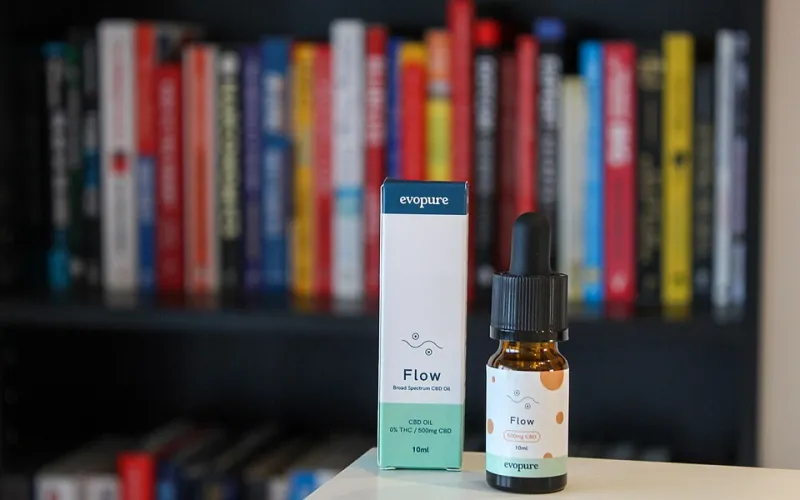
Photo: Evopure, CC BY-SA 2.0, via Wikimedia Commons
Subscription commerce has reached CBD. A monthly bottle, an introductory discount and a promise that you can cancel anytime are now familiar features of the UK market. Convenience can be genuine, but recurring orders change the financial picture. This audit is a practical way to compare a subscription with one-off buying, without assuming either route is always cheaper.
Why subscriptions deserve a closer look
Recurring payments turn a product decision into a cash-flow decision. A £35 bottle every month is £420 a year. If you use less than a bottle a month, the oil may accumulate. If you use more, you may run out before the next delivery. The right answer depends on your consumption rate, the price per milligram, batch freshness and the terms attached to pausing or cancelling.
Subscriptions are not inherently bad value. They can suit someone who has settled on a product and wants a reliable schedule. The problem is that the convenience of auto-renewal can obscure the cost of unused stock and the difficulty of changing course.
The introductory discount is not the whole price
First-month discounts can be substantial, and they are a legitimate reason to consider a subscription. The relevant figure is the cost after the discount ends. Add delivery charges, check whether the price is fixed or subject to review, and look for any minimum term. A low first payment can mask a much higher annual cost.
Read the pre-contract information before paying. It should explain the renewal date, the amount taken, the notice period and how to cancel. If those details are hard to find, that is not a minor website flaw. It is part of the product's cost in time and attention.
Price per milligram: the comparable number
Use total CBD milligrams per bottle, not the percentage alone. Price per milligram is the bottle price including delivery divided by the total milligrams. A 500 mg bottle at £30 works out at 6p per milligram. A 1,000 mg bottle at £50 works out at 5p per milligram. The second may be better value, but only if you will use it.
Dose matters as much as bottle price. If you take 25 mg a day, a 500 mg bottle lasts 20 days. At that rate, a monthly subscription will slightly outpace your use. If you take 10 mg a day, the same bottle lasts 50 days, and a monthly delivery will build a surplus. Compare cost per day at your dose, not cost per bottle on the shelf.
A subscription discount can be erased by waste. If a bottle arrives every month but you use half of it before the next delivery, the effective cost per milligram rises. The same applies if a product is stored poorly or passes its best-before date before you finish it.
Freshness and batch rotation
Ask whether subscription stock rotates. Each delivery should carry a batch code, and the supplier should be able to provide a certificate of analysis for that batch. If the same batch arrives repeatedly over a long period, check the best-before date and ask how old the stock is. Freshness is not a guarantee of quality, but short dating on a new delivery is a reasonable prompt for a question.
Storage matters too. CBD oil should be kept cool, dark and upright, according to the supplier's instructions. A subscription that encourages stockpiling in a warm kitchen cupboard is not delivering convenience. If you cannot store the oil properly, a smaller or less frequent order may be the better choice.
Pausing, skipping and cancelling
UK consumer terms should be clear before checkout. Look for the minimum term, the renewal date, how to pause or skip a delivery, the cancellation method and any notice period. Check what happens to unopened bottles if you cancel, and whether returns or refunds are available. Save the confirmation email.
Some subscriptions can be managed online in a few clicks. Others require an email or a phone call. If cancelling is conspicuously harder than joining, treat that as a warning sign. Distance-selling cooling-off rights may apply to an initial online purchase, but renewal payments are governed by the subscription terms. Read them rather than relying on a general assumption about online shopping.
A useful test is to ask yourself whether you could explain the cancellation process to a friend without looking at the website. If not, the terms are not clear enough.
Avoiding the cupboard of duplicates
Calculate your daily dose and the number of days a bottle lasts. If a bottle lasts 40 days, a monthly subscription will outpace use. Set a calendar reminder before each renewal. Use a pause or skip function if you need a break. Keep a simple inventory of what you have open and what is sealed.
Promotional offers can encourage extra purchases, but duplicate bottles are only good value if they will be used within date and stored properly. A cupboard of unopened bottles is not a stockpile of savings; it is money tied up in a product that may expire before you reach it.
A practical audit checklist
Before subscribing, calculate the price per milligram including delivery and compare it with one-off purchases. Check the cancellation terms, the minimum term and the renewal date. Confirm that batch certificates are available. During the subscription, check each delivery's batch code and best-before date. Before each renewal, review your usage and pause if necessary. If you cancel, keep a record of the request and the confirmation.
When a one-off purchase is simpler
If you are new to CBD, experimenting with strengths or use the product infrequently, one-off purchases may be the better route. You can compare batches and brands without commitment, and you are less likely to accumulate bottles you do not need. A subscription makes most sense once you know your dose, your preferred product and the supplier's approach to batch transparency.
The bottom line
Subscriptions are a convenience tool, not automatically a saving. In 2026, the UK shopper should audit price per milligram, delivery frequency, batch freshness and cancellation rights. A rolling bottle is only good value if it matches your routine and arrives fresh. If the maths and the terms do not work, a one-off purchase remains a perfectly sensible choice.