When a CBD Order Falls Short: A 2026 UK Guide to Returns, Refunds and Redress
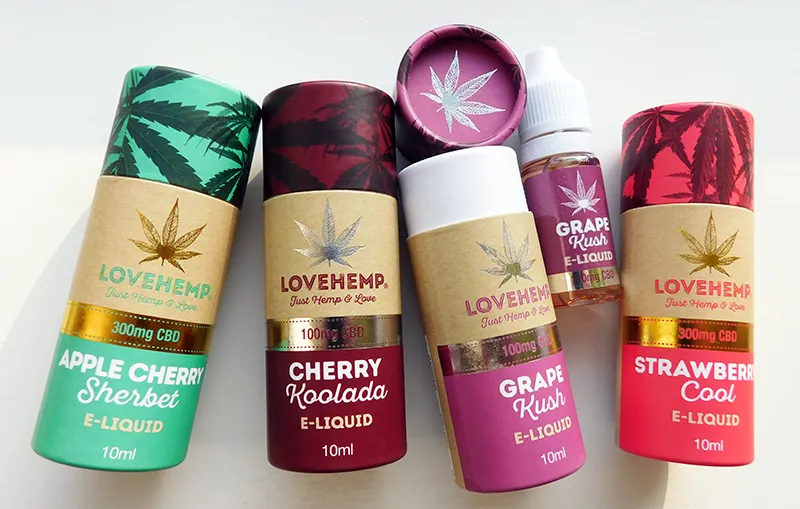
Photo: Ecig Click, CC BY-SA 2.0, via Wikimedia Commons
At CBD Oil Ltd, most buying advice naturally concentrates on the moments before payment: checking the label, comparing strengths and confirming that a retailer looks credible. Yet a purchase is not finished when the parcel arrives. Sometimes the bottle is damaged, the description does not match the contents, the taste is not what you expected or the product simply does not fit your routine. What happens next depends less on instinct and more on the status of the goods, the terms of the sale and the evidence you keep.
This guide is general information for UK shoppers, not legal advice. It aims to make the post-purchase conversation clearer and more productive.
Start with the status of the bottle
Returns discussions often go wrong because two different issues are treated as one. A shopper may say the product is unsuitable, while the retailer hears a change-of-mind request. Before contacting anyone, classify the problem.
The main categories are: goods damaged in transit; a product that appears faulty or from a defective batch; goods that do not match the description; and a product that is simply not to your taste or does not suit you. The first three engage statutory rights. The fourth depends heavily on the retailer’s own returns policy and, for distance sales, the cancellation right.
The statutory baseline for UK shoppers
For goods bought from a trader, the Consumer Rights Act 2015 requires products to be of satisfactory quality, fit for their purpose and as described. A retailer cannot remove those rights through a restrictive returns policy.
Where goods fail to meet those standards, there is a short-term right to reject within 30 days of delivery or collection, which can lead to a full refund. After that period, the remedy path generally moves through repair or replacement and, if those are not possible or proportionate, a price reduction or a final right to reject. Timing and evidence matter, so raise the issue promptly.
Online, telephone and mail-order purchases also fall within the Consumer Contracts Regulations 2013. In broad terms, the shopper has 14 days from delivery to cancel for any reason, must notify the trader, and then has 14 days to return the goods. The trader should refund within 14 days of receiving the goods or evidence of their return. The shopper may have to pay return postage unless the trader says otherwise, and the trader may deduct for diminished value caused by handling beyond what is necessary.
There is an important exception. The cancellation right does not apply to sealed goods that are unsealed after delivery and are not suitable for return for health protection or hygiene reasons. CBD oils commonly carry a hygiene seal, so an opened bottle may fall outside the change-of-mind cancellation route. The trader should have made that position clear before purchase. Crucially, a hygiene-seal policy does not remove rights where the product is faulty, damaged or not as described.
In-store purchases are different. There is no general statutory change-of-mind right, so a shop’s own policy becomes the main route for a product that is not faulty.
Unopened, opened and the hygiene-seal question
An unopened bottle bought online is usually the simplest case. If the cancellation window is open and the seal is intact, the shopper can normally cancel and return it, subject to the trader’s stated terms on postage and handling.
An opened bottle is more nuanced. Breaking the seal may end the distance-selling cancellation right where the hygiene exception genuinely applies. It does not, however, give a retailer licence to ignore a genuine defect. If the oil is contaminated, the strength is materially different from the label or the product is not what was ordered, the shopper still has statutory grounds to complain.
Taste is the difficult middle ground. CBD oils vary in carrier oil, flavouring and natural variability. A flavour that is unpleasant to one person is not automatically a fault. A claim that the product is undrinkable may need to be framed as not as described only if the listing promised something materially different.
Damaged deliveries and suspected faulty batches
For a damaged parcel, photograph the outer packaging, the inner packaging, the bottle and the seal before cleaning anything up. Keep the batch or lot code, the best-before date and the invoice. Report the damage promptly and ask for a replacement or refund. If the damage looks like a safety issue, do not use the product.
With a suspected faulty batch, the batch code is the retailer’s traceability tool. A useful complaint includes the order number, product name, strength, volume, batch code, best-before date, a clear description of the problem and photographs. If the retailer asks for the product back, ask how it will be handled and whether return postage will be reimbursed. Do not discard the bottle before the complaint is resolved.
If you suspect an adverse reaction, seek medical advice. Suspected side effects can also be reported through the UK’s Yellow Card scheme. This article does not offer medical guidance on CBD use.
When the label and the listing disagree
A mismatch between the product page and the bottle is a strong basis for a not-as-described complaint. Check the stated strength in milligrams or percentage, the volume, the carrier oil, the ingredients and whether the product is full spectrum, broad spectrum or isolate. Screenshot the listing at the time of purchase, because pages can change.
If the label says one strength and the listing said another, explain the discrepancy plainly rather than relying on general dissatisfaction. The same applies to missing information, incorrect ingredients or a product that arrives without the seal described on the website.
How to raise a complaint that gets resolved
Put the complaint in writing and keep it concise. Include the order number, purchase date, delivery date, product details, batch code, a factual description of the issue, photographs or screenshots, and the remedy you want. Give the retailer a reasonable deadline, such as 14 days, to respond.
Use the retailer’s formal complaints address rather than a social-media message. Keep copies of everything. If the first response is unhelpful, ask for it to be escalated to a manager and restate the legal basis briefly. A calm, evidence-led message is usually more effective than a long account of frustration.
If the retailer is unresolved, ask whether it belongs to an alternative dispute resolution scheme. Citizens Advice consumer services in England and Wales, Advice Direct Scotland and Consumerline in Northern Ireland can explain escalation routes. Trading Standards receives intelligence about trader conduct. For card payments, a chargeback or Section 75 claim may be possible in some circumstances, but these are not a substitute for the retailer complaint and time limits apply.
Refunds, replacements and return postage
For a valid distance sale cancellation, the trader should refund the standard outbound delivery cost, though it may keep additional delivery upgrades. A refund should normally be made by the original payment method. Do not accept a credit note unless you genuinely want one. For faulty goods, a restocking fee or refusal to cover reasonable return postage is difficult to justify.
Send returns by a tracked method and keep the receipt. Photograph the sealed parcel before dispatch. If the retailer claims the item never arrived, the tracking record is your evidence.
A pre-purchase checklist
Before paying, ask: Where is the retailer’s UK contact address? What is the returns window? Are opened bottles accepted, and is the hygiene-seal policy stated clearly? Who pays return postage? How are faulty-batch claims handled, and is the batch code printed on the bottle? How long do refunds take and by what method? Is there a written complaints procedure or ADR membership? Are the terms available before checkout?
CBD Oil Ltd’s neutral view is that a clear returns policy is part of product quality. A retailer that explains seals, batch codes and complaint routes before purchase is easier to deal with if something goes wrong. Keep the paperwork, classify the problem accurately and use the statutory framework as your starting point rather than an afterthought.