After the Last Drop: A UK End-of-Bottle Audit for CBD Packaging in 2026

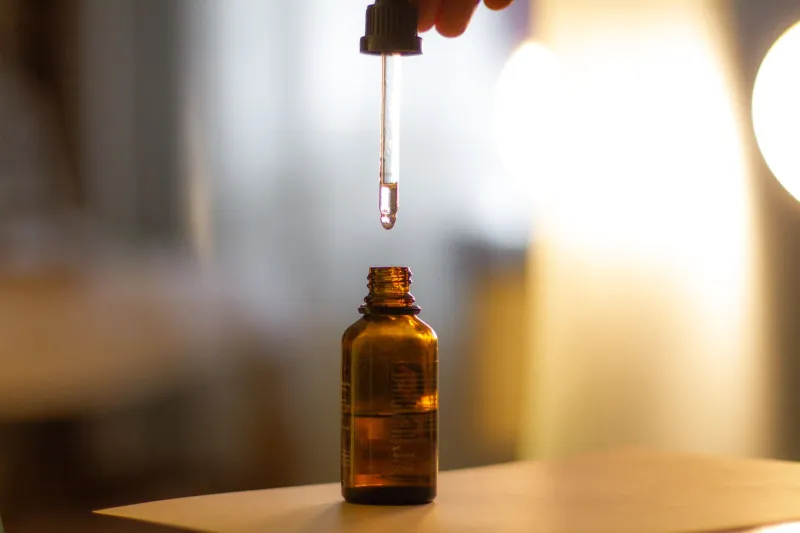
Photo: empty amber glass CBD oil bottle with glass pipette and cardboard carton on kitchen counter recycling, via wallpaperaccess.com
A small bottle with a complicated afterlife
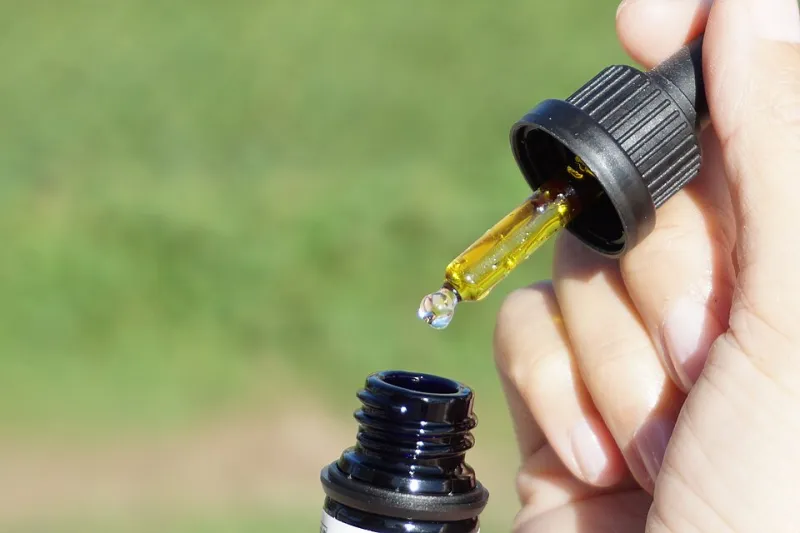
A 10ml CBD oil bottle takes up little space on a shelf, but its journey after the last drop is rarely straightforward. The container may be amber glass or plastic. The dropper may combine a glass tube, a plastic collar and a rubber bulb. The label may be paper, plastic film or a laminate. The outer carton adds another material. In a UK kitchen, that collection of parts can turn a simple act of disposal into a small audit.
The aim is not to make recycling sound easier than it is. Nor is it to accept vague environmental claims from brands. It is to separate the components, prepare them safely and send each part to the most appropriate route available through local council services or specialist schemes.
Why the dropper is the difficult part
Glass bottles and cardboard cartons are familiar to most household recycling systems. Pipettes are not. A typical CBD dropper is a assembly of materials, and mixed-material items are harder for councils to sort. A rubber bulb cannot usually be recycled through kerbside collections. A small plastic pipette may fall through sorting machinery or be treated as contamination. A glass pipette poses a handling risk if broken.
That does not mean the whole bottle belongs in general waste. It means the bottle should be taken apart. The glass or plastic body, the carton and the pipette each need a decision.
Start with your council, not the symbol on the base
The recycling symbols printed on packaging are a useful starting point, but they are not a guarantee that your local authority will collect an item at the kerbside. Collection rules differ across the UK, and they can change. Before placing any CBD packaging in a household bin, check the waste and recycling pages of your council’s website. Look for the specific material and item type rather than a general instruction to recycle glass or plastic.
In many areas, glass bottles and jars are accepted at kerbside or at a local bottle bank. Amber glass is generally treated in the same way as other container glass, although some councils specify bottle banks for glass. Plastic bottles may be accepted if they are bottle-shaped and rigid, but small pipettes and caps often are not. Cardboard cartons are usually accepted where cardboard is collected, provided they are clean and flattened.
Preparing the bottle without creating a new problem
CBD oil is an oil. It should not be poured down the sink, and it should not be rinsed into the water system. Allow the bottle to drain fully. Wipe the inside and the dropper with a piece of kitchen paper, then place that paper in general waste. Wear gloves if your skin is sensitive, and keep the materials away from children and pets.
Remove the dropper from the bottle. If the pipette is glass, handle it carefully and check whether your council accepts broken glass or whether it should be wrapped and placed in general waste. Rubber bulbs should usually go in general waste. Plastic collars and pipettes should be checked against local rules; in most kerbside systems they are not accepted. Labels can often be left on glass bottles, but remove them if your council asks for clean containers or if the label is plastic film.
The kerbside route: useful, but not universal
Kerbside collection is the most convenient route for the parts it accepts. A clean amber glass bottle can usually go into a glass bank or kerbside glass container. A rigid plastic CBD bottle may be accepted if it matches the council’s plastic bottle criteria. An outer cardboard carton can be flattened and recycled with paper and card. The pipette assembly should not be forced into a kerbside bin in the hope that it will be sorted out later.
Household waste recycling centres are a second option. Many accept glass and rigid plastics in larger containers, and staff can advise on unusual items. They are not a universal solution for small mixed-material droppers, but they can prevent a bottle body from being lost to general waste.
Specialist schemes and brand take-back
Some cosmetic and beauty packaging schemes accept items that kerbside collections reject, but eligibility varies and drop-off points are not guaranteed. Before making a special journey, confirm that the scheme accepts CBD oil packaging and that the bottle is empty and prepared as required. Do not post empty bottles to a scheme unless it explicitly asks for them.
Brand take-back is the most direct route when it exists. A supplier that sells a bottle with a difficult dropper should be able to explain what the customer is meant to do with it. If a brand offers a return or refill scheme, check whether it covers the pipette as well as the bottle, and whether the customer pays postage.
What UK CBD brands ought to disclose
Packaging disclosure should be specific. A responsible brand should list the material of each component, not just the bottle. It should say whether the pipette is plastic, glass or mixed, and whether the bulb is rubber or a thermoplastic elastomer. It should explain which parts are widely recyclable in the UK and which are not. It should avoid terms such as “eco-friendly” unless they are backed by a clear route.
Brands should also design for separation. A dropper that can be pulled apart without tools is easier to recycle than one that is glued together. A paper label that lifts cleanly is better than a plastic laminate. A carton made from uncoated cardboard is simpler than a foil-lined box. These are practical questions that shoppers can ask before buying, not just after the bottle is empty.
A five-minute end-of-bottle audit
First, read the label and note the materials. Second, remove the dropper and separate the bulb, collar and pipette. Third, wipe oil residue with kitchen paper and place the paper in general waste. Fourth, check your council’s website for glass, rigid plastic and cardboard. Fifth, place each part in the correct kerbside bin or take it to a recycling centre. If a part has no route, record it. That record is useful when choosing the next bottle.
The bottom line
Recycling a CBD bottle is not a test of virtue. It is a small materials-handling task with genuine limits. Some components will go to general waste because UK collection systems are not designed for them. The practical response is to separate what can be separated, prepare it safely, use the routes that exist and ask brands to make the next bottle simpler.