The Bottle in the Glovebox: CBD, Roadside Testing and UK Drug-Driving Law in 2026
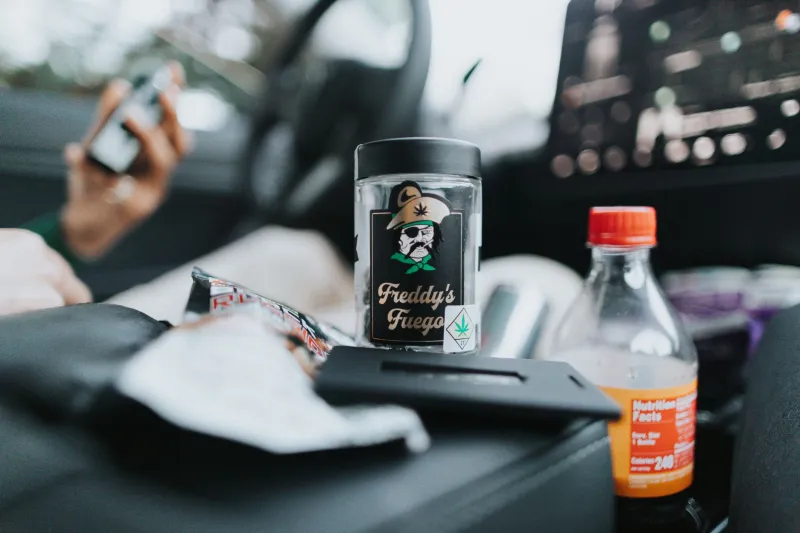
For many UK drivers, a bottle of CBD oil is a routine item: kept in a bag, a desk drawer or the glovebox for convenience. The difficulty is that road traffic law is not organised around the word CBD. It is organised around specific substances and specified limits, and THC is the substance that matters most in a drug-driving context. A product sold lawfully in the UK is not automatically THC-free, and a driver does not need to feel impaired for a roadside screening to become a practical problem.
This article is general information for UK readers. It is not legal advice, not medical advice and not a substitute for guidance from a solicitor, the police, a prescriber or a pharmacist.
The legal line is drawn around THC, not the label
In Great Britain, the specified limit for THC in blood for drug-driving purposes is 2 micrograms per litre. That figure is low, and it is deliberately not a measure of impairment in the everyday sense. It is a statutory threshold. Northern Ireland has its own road traffic framework, so drivers there should check local guidance rather than assume that a GB summary applies unchanged.
The practical point for CBD shoppers is narrower: any THC present in a product contributes to what may later be detected. Full spectrum products may contain trace cannabinoids, including THC, while broad spectrum and isolate products are generally positioned differently. None of those descriptions is a guarantee. Mislabeling, batch variation and inconsistent laboratory reporting all exist in the wider market, which is why product verification is a buying issue as well as a driving issue.
A certificate of analysis is only useful if it belongs to the batch in your hand. A generic certificate, a certificate for a different strength or a document that does not state the limit of detection tells a driver very little. The same applies to a supplier statement that a product is THC-free. The better question is how THC was tested, at what detection limit and for which batch.
Roadside screening is a first step, not a final finding
Police roadside drug testing typically uses an oral fluid screening device. A screening test is a triage tool. It is not the same as an evidential blood test, and it is not a conviction. Where a screening test indicates cannabis, the usual next step is arrest and a blood sample for evidential analysis. Drivers should not treat a roadside device as a laboratory instrument, and they should not treat an online forum anecdote as a reliable account of how any individual stop will unfold.
The distinction matters because drivers often ask whether a CBD product can produce a positive result. The honest answer is that it depends on the product, the dose, the timing, the testing method and the individual. A responsible supplier should not promise that any CBD product is safe to use before driving. A responsible driver should not assume that a lawful purchase creates a legal shield.
Workplace testing is a different conversation
Workplace drug testing and police roadside testing are often discussed as if they were the same process. They are not. Workplace testing is usually governed by an employer policy, may use urine or oral fluid, may have different cut-offs and may look for parent drugs or metabolites over a different window. A workplace negative result does not prove that a roadside screening will be negative, and a workplace policy may be stricter than the road traffic limit.
For drivers whose employment involves testing, the sensible approach is to read the employer policy, keep product records and ask occupational health or HR how the policy treats lawful CBD products. That is not a legal defence; it is basic administrative hygiene. It also avoids the confusion that arises when a driver assumes that one testing regime speaks for all others.
Records that help a driver ask better questions
No receipt, label or certificate can prove fitness to drive or create an immunity from prosecution. What these documents can do is establish what was bought, when and from whom. For a driver who keeps CBD oil in the car, a simple folder or phone album containing the following is more useful than a glovebox full of loose bottles:
- The product label showing batch number, strength and cannabinoid description.
- A batch-matched certificate of analysis from a named laboratory.
- The purchase receipt and supplier contact details.
- A short note of when the product was opened and how it has been stored.
- Any supplier statement about THC content, including the stated detection limit.
These records are not a substitute for legal advice if a driver is stopped or charged. They are simply a way to replace vague recollections with verifiable information.
Questions to put to a supplier before the bottle travels
A formal supplier conversation is more productive than a search for reassurance. Useful questions include: does the certificate match this batch number; which laboratory produced it; is THC reported separately; what is the limit of detection; has the formula changed since the last batch; and can you provide the cannabinoid profile in milligrams per millilitre. A supplier that cannot answer basic batch questions is giving the driver a reason to pause.
Drivers should also be wary of any supplier that offers definitive advice about driving. A retailer can explain a product and its documentation. It cannot decide whether an individual is fit to drive, and it should not imply that a certificate of analysis neutralises the legal limit.
The glovebox is a storage decision as well as a driving one
Keeping CBD oil in a car brings practical storage questions. Vehicles can become hot, cold or damp, and labels can fade or peel. If a bottle must travel, keep it in a labelled container, retain the batch details and avoid leaving it in direct sunlight or extreme heat for long periods. None of this changes the legal position, but it does make it easier to identify the product and its batch if a question later arises.
A calm pre-journey habit
The most defensible approach is unglamorous: buy from a supplier that provides batch-level documentation, keep that documentation, avoid treating a new or unfamiliar product as a casual pre-drive experiment, and do not drive if you are unsure. If you use a prescribed cannabis-based medicine, follow the prescriber's guidance and official advice rather than adjusting treatment around a journey. If you are stopped, seek legal advice rather than relying on a retailer's general statement.
CBD oil and drug-driving law meet at a point of small margins and imperfect labelling. The driver's best protection is not a slogan on a bottle. It is a habit of asking better questions, keeping better records and recognising that the roadside test belongs to the police, not to the marketing department.