A Safer Shelf: Practical Custody of CBD Oil in UK Households for 2026
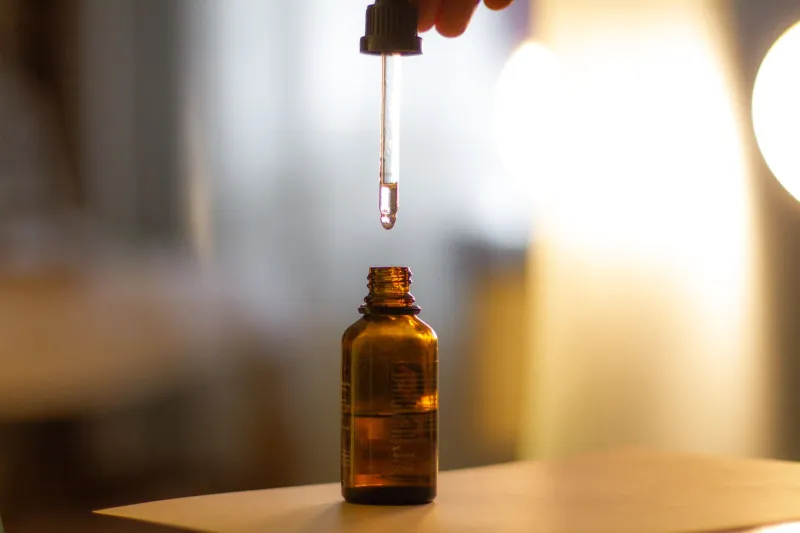
A bottle of CBD oil is easy to underestimate. It is small, usually amber, and often sold in packaging that looks more like a supplement than a household chemical. That familiarity is precisely why it can end up on a kitchen worktop beside the vitamins, on a bedside table, or in a handbag left open in a hallway. For UK households in 2026, the sensible question is not whether CBD oil is a crisis waiting to happen. It is simpler: where does the bottle live, who can reach it, and what happens when routine slips?
CBD products sold in the UK are generally positioned as food supplements rather than medicines, and they remain subject to novel food and labelling requirements. None of that removes the ordinary duty of care that comes with keeping any concentrated product at home. A calm household safety audit is less about fear and more about custody.
Begin with the bottle’s daily resting place
Walk through the rooms where the bottle actually spends time. The kitchen shelf is convenient because it is where supplements are often taken. The bedside table is private and easy to remember. A coat pocket or handbag is portable. Each has a weakness. Kitchen shelves are busy, often within a child’s sightline, and shared with visitors who may help themselves to a glass of water. Bedside tables are less supervised when guests stay over. Bags are opened by children, rummaged through by tradespeople, or left in cars.
Choose one designated place and make it deliberate. A high cupboard with a latch, a lockable storage box, or a shelf behind a closed door is preferable to a low surface. The aim is not to turn a home into a pharmacy vault. It is to create a predictable location that an adult can check in seconds and a child is unlikely to reach.
Closures are a feature, not a guarantee
Many CBD oil bottles now use child-resistant closures. In the UK, re-closable packaging of this kind is often designed to a recognised standard, but the phrase child-resistant is not the same as child-proof. A cap only works when it is properly engaged. Check that it clicks, that the threads are clean, and that the bottle is closed after every use. If a cap is cracked, stiff, or no longer sits flush, treat the bottle as compromised and replace or secure it.
Keep the original bottle. Decanting CBD oil into an unlabelled dropper or a travel container removes the batch number, strength, and warning text that make the product traceable. It also makes accidental access harder to assess. If a smaller container is unavoidable for a short trip, label it clearly and keep it under the same custody as the original. At home, the outer carton is worth retaining because it carries the best-before date and batch details.
Move it away from kitchen and bedside habits
The kitchen and bedside table are the two most common homes for CBD oil, and both deserve scrutiny. In the kitchen, the bottle can be confused with cooking oil or left beside a kettle during a morning routine. A child helping with breakfast may reach it before an adult notices. In the bedroom, the bottle is close to hand for evening doses but also close to visiting children who wander during a family stay.
A bathroom is rarely a good alternative because of heat and humidity. A windowsill exposes the bottle to light and temperature swings. The fridge is appropriate only if the label specifically recommends it; otherwise condensation and accidental confusion with food are unnecessary risks. The better answer is a dedicated cupboard or box that is away from food preparation, away from bedside curiosity, and high enough to be out of reach.
Label for the people who do not know your routine
Household safety is not only about the people who live there. Visitors, babysitters, cleaners, and tradespeople may not know that a small amber bottle contains a concentrated product. Keep CBD oil in its original packaging with the strength and batch visible. If you use a storage box, label the outside simply and clearly. Avoid playful nicknames or unmarked containers.
Before children visit, do a short sweep of low surfaces, handbags, and bedside tables. If a visitor is staying overnight, mention where the bottle is kept and ask them to keep their own bags zipped. This is not an overreaction; it is the same courtesy extended for any supplement or household product that a child might explore.
Spills and accidental access
A spilled bottle is mostly a cleaning problem, but it should be handled promptly. CBD oil is often carried in an oil base such as MCT, which can make hard floors slippery. Absorb the spill with paper towel, clean the area with warm soapy water, and ventilate the room. Wash hands afterwards. Do not leave the bottle on its side or a cap loose while cleaning.
If a child or pet has accessed the bottle, remove it calmly and keep the packaging. Do not induce vomiting. For a child, contact NHS 111 or a GP for advice; for a pet, contact a veterinary practice. If an adult has taken an unintended amount, stop and monitor, and seek advice if they feel unwell. The batch number and strength on the label help any adviser understand what was taken.
A short household checklist for 2026
- One designated, out-of-reach place, ideally lockable or latched.
- Original labelled bottle, cap clicked shut, stored upright.
- No decanting into unmarked containers; no loose syringes on display.
- Batch and best-before details kept with the bottle.
- A quick visitor sweep before children arrive.
- A monthly check for damaged caps, leaks, or expired stock.
CBD Oil Ltd’s buying advice emphasises verifiable quality, clear labelling, and straightforward use. A certificate of analysis can tell you what a batch contains, but it cannot choose a cupboard. That part remains a household decision, and it is one worth making calmly, consistently, and with children and visitors in mind.