Scent, Flavour and Proof: A UK Buyer's Guide to Terpene Claims on CBD Oil in 2026

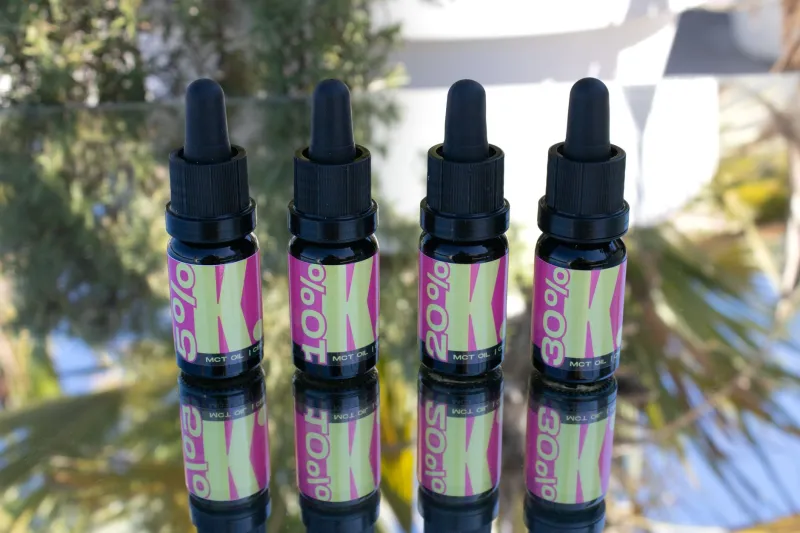
Photo: amber glass CBD oil bottle with dropper on wooden table, dried hemp leaves beside it, natural light, via i.pinimg.com
Anyone who has opened a bottle of hemp-derived CBD oil will recognise the moment: a smell arrives before any taste does. It may be damp earth, lemon peel, pine resin or something closer to cut grass. Those impressions come largely from terpenes, a broad family of volatile organic compounds produced by plants, and they have become one of the more heavily promoted features of the UK CBD shelf. This guide sets out what terpenes are, how they reach an oil, and how far a label, a certificate of analysis or a smell can reasonably be trusted.
What terpenes are, in plain terms
Terpenes are aromatic compounds that plants produce for a range of reasons, including defence and attraction. Hemp (Cannabis sativa L.) generates a familiar set, among them myrcene, limonene, pinene, linalool and beta-caryophyllene. They are volatile by nature, which is why heat, light and air gradually strip them away, and why the smell of a poorly stored bottle changes over time.
The concentration and ratio of terpenes in any given plant depend on the cultivar, the growing conditions, the point of harvest, how the material was dried, and how it was extracted. Two oils carrying the same cannabinoid strength can therefore smell quite different, and neither difference is a statement about quality on its own.
Naturally present or reintroduced
There are two distinct types of product behind the same word.
The first contains terpenes that were extracted along with the cannabinoids from hemp. Extraction methods differ in how much of that volatile fraction they preserve; processes involving significant heat tend to lose more than gentler ones. Where a label states that terpenes are naturally occurring, that is a claim about the manufacturing route, and it is a reasonable one for a retailer to evidence.
The second type has terpenes added back after extraction, often from other botanical sources, to restore or standardise a flavour profile. Products described as terpene-infused, or as carrying a formulated botanical terpene blend, generally sit here. Adding terpenes is not inherently problematic, but it changes what the product is. An oil whose aroma comes from added botanicals does not carry the same composition as one distilled from the plant alone, and the label should say so.
What aroma can and cannot tell you
Aroma is a useful freshness indicator and a poor potency indicator. A bottle that smells sharply of citrus or pine has probably retained its volatile fraction and been stored with some care. A flat or faintly rancid smell may suggest age, heat exposure or a compromised cap. A paint-like or solvent note is a reason to check the batch date and storage history rather than to assume character.
What smell cannot do is tell you how much cannabidiol is present, whether the product complies with UK novel food requirements, or whether the batch has been tested. A strongly scented oil is not a stronger oil. Some refined isolates are almost odourless by design, and that is not a defect.
What a certificate of analysis may report
Laboratory certificates for CBD products, typically issued by ISO/IEC 17025 accredited laboratories, usually report a cannabinoid profile and sometimes a terpene panel. Terpene testing is optional and the scope varies considerably between laboratories, so its absence is not automatically a warning sign. Its presence, however, should be checkable.
Where a terpene claim is made, the sensible questions are straightforward. Does the certificate relate to the batch number printed on the bottle? Which terpenes were tested, and at what reporting limits? When was the sample analysed relative to manufacture? A certificate that lists a terpene profile but cannot be matched to a specific batch tells a shopper very little.
The entourage question
The idea that cannabinoids and terpenes act together in ways that neither does alone is widely repeated and thinly evidenced in humans. Much of the supporting work is preclinical, and translating it into a promise about what a bottle will do for a particular person is not something a responsible retailer should attempt.
It is fair to describe a full spectrum extract as containing a wider spread of plant compounds than an isolate. It is not fair to present a terpene blend as a guarantee of a specific outcome. Shoppers should read entourage language as a description of composition, not a claim about effect.
Useful label claims and vague ones
Claims that help include a full ingredient list distinguishing hemp-derived from added botanical terpenes, a clear milligram strength per millilitre, a batch number, and a route to the matching certificate.
Claims that tend to obscure include phrases such as terpene-rich, proprietary terpene profile or entourage blend with no supporting detail, and cultivar names borrowed from cannabis culture that have no analytical backing on the certificate.
Questions to put to a retailer
- Is the certificate of analysis available for this batch, and does the number match my bottle?
- Are the terpenes naturally present in the hemp extract, or added after extraction?
- If added, which plants do they come from, at what concentration, and are they food-grade?
- Which terpenes were tested, and what limits were applied?
- How should the bottle be stored to slow volatile loss?
A retailer who can answer these without hesitation is demonstrating the kind of traceability that matters more than the poetry on the front of the label.
A calm conclusion
Terpenes are a genuine and interesting part of what hemp contains, and paying attention to them is not unreasonable. What matters is separating the botanical fact from the marketing gloss. Aroma tells you something about freshness and processing. A batch-linked certificate tells you something about composition. Neither tells you what the oil will do for you, and a label that implies otherwise has probably told you more about its copywriter than its chemistry.