Cold Without Compromise: A UK Winter Protocol for Steady CBD Oil Dosing in 2026
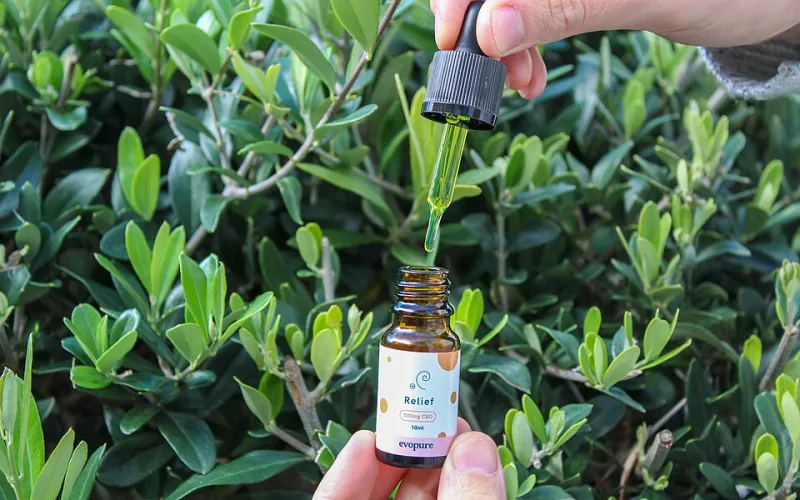
Photo: Evopure, CC BY-SA 2.0, via Wikimedia Commons
Why Winter Changes the Bottle
A CBD oil that pours neatly in September may become sluggish by the first hard frost. This is not automatically a sign of spoilage. Many oils are suspensions or solutions of cannabidiol in a carrier such as hemp seed oil, olive oil or MCT. Cold affects viscosity, and in higher-strength products it can encourage cloudiness, separation or crystallisation. For UK shoppers in 2026, the practical question is not whether the bottle looks different in a cold porch, but whether the change affects the milligram dose being measured.
CBD Oil Ltd’s position is straightforward: judge the product by its label, its batch documentation and its behaviour once it has been brought back to a normal room temperature. A cloudy bottle is a prompt to check, not a reason to panic. A thick bottle is a prompt to warm gently, not to shake violently or assume the contents have strengthened.
Clouding, Thickening and Crystallisation: What Is Happening?
CBD oils can change appearance in cold conditions for several reasons. Carrier oils may become more viscous, and natural waxes or plant compounds can settle or cloud. In high-strength products, particularly those with a narrow carrier base, cannabidiol itself may begin to crystallise. These crystals are often tiny and may appear as a haze, specks or a thicker layer near the base of the bottle.
The change matters because drop size is not fixed. A dropper delivers a volume, and that volume depends on temperature, viscosity and how the dropper is used. If the oil is cold and thick, a drop may be larger or the dropper may release unevenly. If the oil has partially crystallised, the cannabidiol may not be evenly distributed when a dose is taken. That is why winter dosing should begin with bringing the bottle to a consistent condition before measuring.
The Milligram Maths Should Not Drift With the Weather
Most UK labels express strength as milligrams of CBD per millilitre, sometimes alongside a total bottle figure. A 10 ml bottle containing 1,000 mg is labelled at 100 mg per ml. If a dropper is marked at 0.05 ml, that represents 5 mg. The arithmetic is simple, but it relies on the oil being measured in a consistent state.
Cold oil can make a “drop” an unreliable unit. For winter, a graduated dropper or oral syringe is preferable where the label and packaging allow it. Measure by millilitre, not by guesswork, and record the milligram figure in a simple log. If the bottle has been warmed, let it return to the same routine temperature each time before measuring. Consistency of method matters more than the precise number of drops produced by a particular dropper on a particular morning.
Warming a Bottle Sensibly
The aim is gentle warming, not heat treatment. Stand the sealed bottle in a bowl of lukewarm water for a few minutes, or hold it in your hands for longer. Turn it slowly rather than shaking it hard. Never microwave CBD oil, never place it near a radiator or hob ring, and never use boiling water. Excessive heat can degrade cannabinoids and damage the carrier oil.
If crystallisation is visible, gentle warmth may be enough to redissolve it. Follow any instructions supplied with the product. If the bottle remains stubbornly solid, contains obvious foreign matter, or smells rancid rather than merely plant-like, contact the retailer rather than forcing a dose. A product that has been frozen and reheated repeatedly should be treated with caution; stability is part of quality.
The Fridge Myth and the Winter Store Cupboard
A common instinct is to refrigerate CBD oil to keep it fresh. In many UK homes, the fridge is the coldest place in the kitchen and the most humid. For some oils, refrigeration increases viscosity and makes crystallisation more likely. Unless the label specifically recommends cold storage, a cool, dark cupboard away from direct sunlight and strong heat is usually the more practical choice.
Winter adds a second risk: the unheated room. A bottle left on a windowsill, in a porch or in a car can experience temperatures well below the rest of the house. Keep the bottle where you keep your daily routine, not where the cold can reach it. If you decant a smaller amount for travel, label it clearly and keep it with the original packaging so the strength and batch details remain available.
Delivery in a UK Cold Snap
Courier networks do not always keep parcels at room temperature. A delivery may sit in a depot, a van or a safe place for longer than expected during snow, ice or high demand. In winter 2026, track the parcel, use a safe place that is sheltered from frost where possible, and bring the package indoors as soon as it arrives. Allow it to acclimatise before opening, particularly if the packaging feels very cold.
Check the bottle against the dispatch note and batch details once it has warmed. Look for leakage, cracked glass or a broken seal. If the product has been left in freezing conditions for an extended period, ask the retailer whether the batch remains suitable. A responsible supplier should be able to answer questions about storage and stability without relying on vague assurances.
A Simple November-to-Spring Routine
Keep one bottle in use and store the rest in a cool, dark place. Each morning or evening, bring the bottle to room temperature, turn it gently, and measure with the same dropper or syringe. Record the millilitre amount and the milligram equivalent. If the oil looks cloudy, warm it gently and let it settle before measuring. Do not double a dose because a cold drop looked small, and do not reduce a dose because the oil poured slowly.
By treating winter as a variables-control exercise rather than a crisis, UK users can keep their milligram maths steady from the first cold snap through to spring. The bottle may look different in January, but the method should not.